Revealing the hidden wonder of the world.
£2,500 top prize • 70 shortlist places per category • Featured in The Guardian, BBC & 60+ outlets
Enter now, send your pictures later.
Save 10% with the earlybird offer by June 8th.

£2,500 top prize • 70 shortlist places per category • Featured in The Guardian, BBC & 60+ outlets
Enter now, send your pictures later.
Save 10% with the earlybird offer by June 8th.
Welcome to the eighth Close-up Photographer of the Year. An international prize that reveals the hidden wonder of the world through close-up, macro and micro photography.
Submit your best work across 11 categories and be in with a chance of:
Winning the £2,500 cash prize and CUPOTY trophy.
Joining the celebrated shortlist galleries – around 70 places for each category.
Reaching the Top 100, with editorial coverage in The Guardian, BBC, Morning Brew, Outdoor Photography and beyond.
Featuring in the annual ebook, telling the story behind your picture in your own words.
The competition closes for entries on Sunday 13th July, 2025.
Sign-up takes two minutes and you can submit your pictures any time, up to a week after the deadline.
Every entrant gets a FREE £19.99 ebook of CUPOTY 8
In association with

Supported by


– Henri Koskinen

Category winners, the Top 100 and shortlisted work have featured in 100+ media outlets worldwide.


Recent coverage:





– Ripan Biswas
Celebrating close-up, macro and micro photography across 11 categories, spanning animals, insects, plants, fungi, intimate landscape, underwater, studio art and more.

ANIMALS
Any animal, apart from insects, springtails and arachnids belong here, including birds, reptiles, amphibians, mammals, fish and molluscs that are not entirely submerged underwater.
70 shortlisted images from last year →
•– Supported by –•


INSECTS
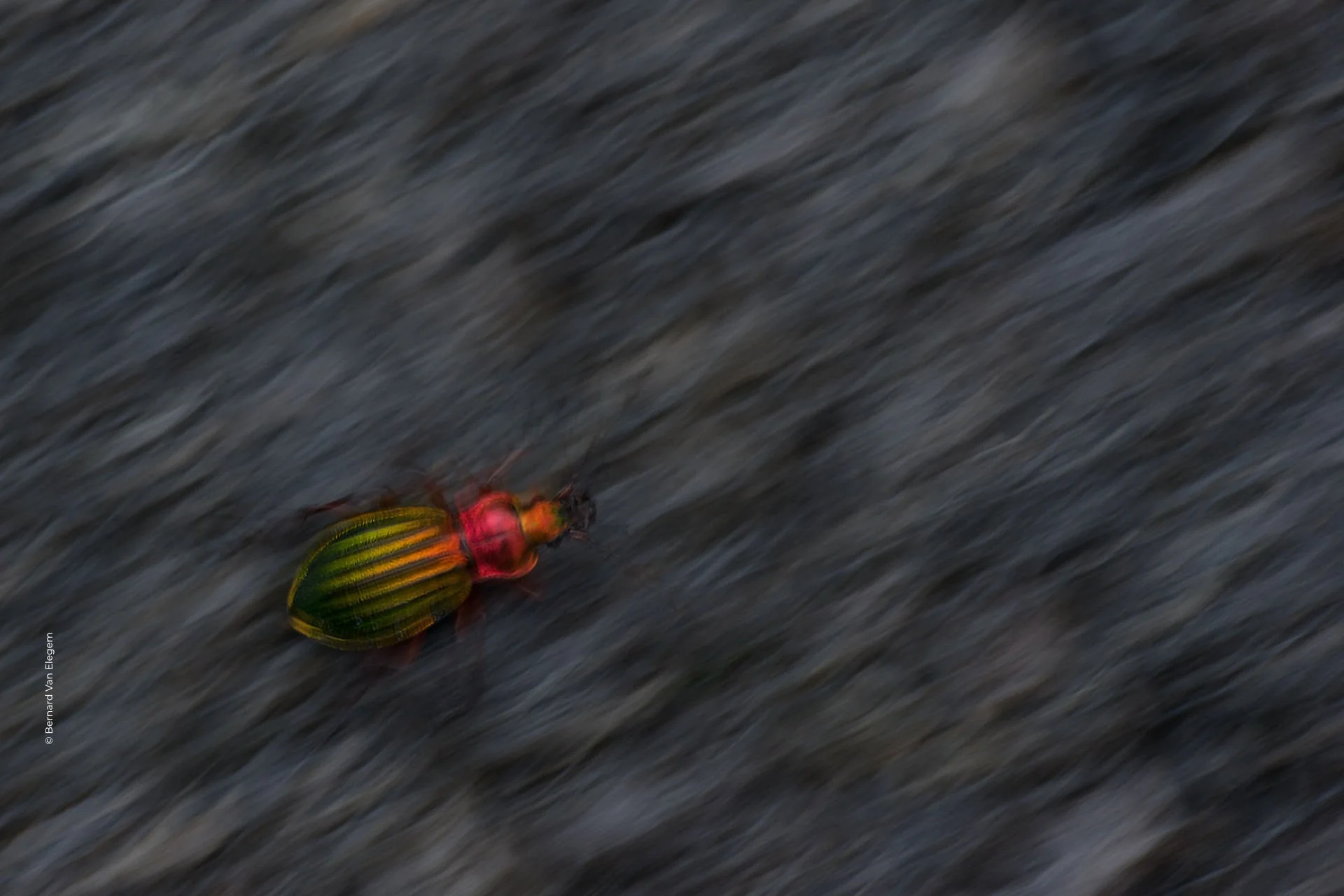
The category for most insects, including flies, bees, wasps, beetles, and bugs. Springtails sneak in here too with their six legs. (Butterflies, moths, dragonflies and damselflies have their own category. Spiders, ticks and mites go into Arachnids.)
•– Supported by –•


INVERTEBRATE PORTRAIT
This category is designed to show the natural beauty of invertebrates and the macro skill of the photographer. The focus should be on the creature itself, rather than behaviour or artistic processing.
67 shortlisted images from last year →
•– Supported by –•


ARACHNIDS
The place for spiders, scorpions, pseudoscorpions, harvestmen, sun or wind spiders, whip spiders, whip scorpions, palpigrades, ricinuleids, ticks and mites.

BUTTERFLIES & DRAGONFLIES
A category to celebrate the beauty of butterflies, moths, dragonflies and damselflies in all their life stages.
UNDERWATER
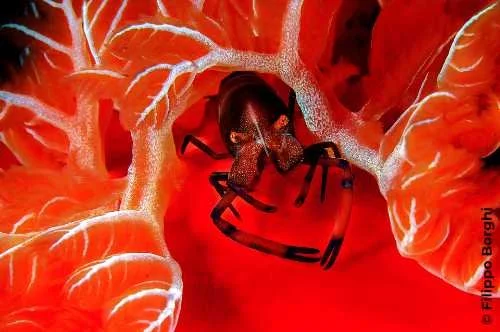
Photographs of any flora, fauna or object that is in fresh or sea water, completely submerged or split-level. Wide angle close-ups and macro are accepted.

PLANTS
Plants in all their forms belong here, as does algae and seaweed. Flower heads, plants in their habitat, moss, leaves, tree details and seeds are all possible subjects. (Creative plant pictures made in the home or studio should go into the Studio Art category.)
FUNGI & SLIME MOULDS
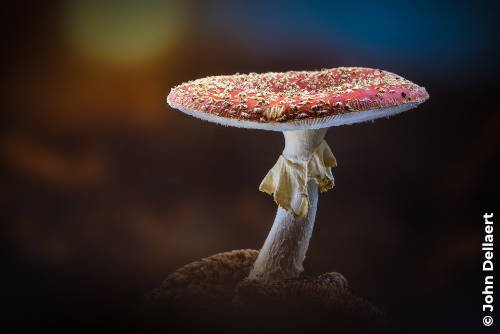
Fungi & Slime Moulds is the home for mushrooms, toadstools, slime moulds and lichen. Open to interpretation, photograph them any way you can imagine.

INTIMATE LANDSCAPE
Capture the natural or urban landscape in close-up. Photograph small scenes, tight crops, or overlooked details of the natural world. Suitable subjects include water, ice, stone, sand, minerals, fire, smoke, trees, light and reflections. Pictures from the urban landscape, such as peeling paint, rusty surfaces, street furniture, boat hulls and graffiti are included this year.
STUDIO ART
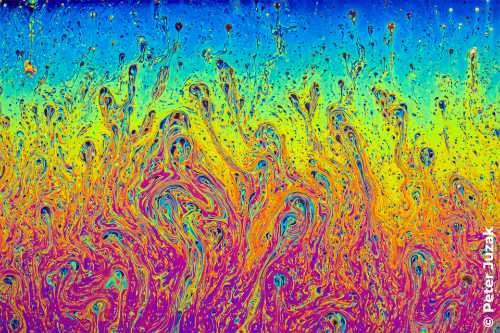
This category is for photographs taken at home, in the studio or in the lab, or use creative post-processing to make composites or collages. Images should have a strong pictorial quality with a fine-art perspective. Think photographic experiments, botanical still lives, flat-lays, liquid drop art, oil and water combinations, paper constructions, bubbles, abstract photomicrographs, chemical reactions, microscopic crystals, camera-less prints and images made with a scanner.

YOUNG CUPOTY
Open to photographers aged 17 or under, with no restrictions on subject matter – if it’s close it counts!
•– Supported by –•

– Luke Roman
It only takes 2 minutes to sign-up.
No need to send in your pictures now.
Submit your pictures by July 20th.