
Categories
Choose from 10 categories in CUPOTY 8 (2026), plus a Young category for entrants aged 17 or under on the closing date.
Scroll down or click the category below to find out more.
ANIMALS
INSECTS
INVERTEBRATE PORTRAIT
BUTTERFLIES & DRAGONFLIES
ARACHNIDS
UNDERWATER
PLANTS
FUNGI & SLIME MOULDS
INTIMATE LANDSCAPE
STUDIO ART
YOUNG
If you are 18 or over on the closing date, you can enter as many categories as you like. For example, if you purchase entry for 6 pictures, you may enter 2 in Animals, 3 in Plants and 1 in Fungi.
The same image may be entered into multiple categories, but each category is counted as one entry. (See the FAQ for more information.)
Photographers aged 17 or under on the closing date should enter the Young category.
Microscope images are welcome in any category except Underwater and Intimate Landscape.
If you’re not sure where your image fits, please email us a low-res file and we’ll point you in the right direction.
We double-check every picture is in the right category before judging starts, so you don't need to worry about getting it wrong.
Animals
Photographs of any animal, apart from insects, springtails or arachnids, should be entered into this category. Send us your best close-up images of birds, reptiles, amphibians, mammals and molluscs that are not underwater.
Wide close-ups of the animal in its habitat, striking details of larger animals, artistic compositions and interesting behaviour are all possibilities here.
Larger animals do not have to be super-close, but the viewer should feel they could reach out and touch the subject. Camera traps can be used.
Small animals in the wider habitat.
Behaviour shots.
Insects
The category for ants, bees, beetles and bugs; caddisflies, cockroaches and crickets; earwigs, fleas and flies; grasshoppers, lacewings and lice; mantids, mayflies and stick insects; termites, thrips, and wasps, to name the main ones. This year, Springtails should also go into this category.
(Butterflies, moths, dragonflies and damselflies should go into Butterflies & Dragonflies. Spiders, ticks and mites should go into the Arachnids category.)
You could photograph insects in extreme close-up or framed by their surroundings; with a creative twist or exhibiting interesting behaviour.
For a full list of insects please refer to the A to Z of Insects on The Amateur Entomologists' Society website.
Creative images of insects. Springtails are included in the Insects category.
Macro shots of insect behaviour.
Small insects in flight.
Invertebrate Portrait
This category is designed to show the natural beauty of invertebrates and the macro skill of the photographer.
Detailed portraits of invertebrates (insects, arachnids, springtails, molluscs, centipedes, earthworms etc) are welcomed here, as long as they haven’t been photographed underwater.
Pictures should be of a single invertebrate that stretches across at least half of the frame. Focus stacking is allowed.
Butterflies & Dragonflies
This category celebrates the beauty of butterflies, moths, dragonflies and damselflies in all their stages of life. Or to put it another way, images of animals from the order of Lepidoptera and Odonata belong here.
Extreme macro images, focus stacked portraits, creatures in-flight or set within the wider landscape are just a few of the almost limitless options for this category.
Subjects in a wider context.
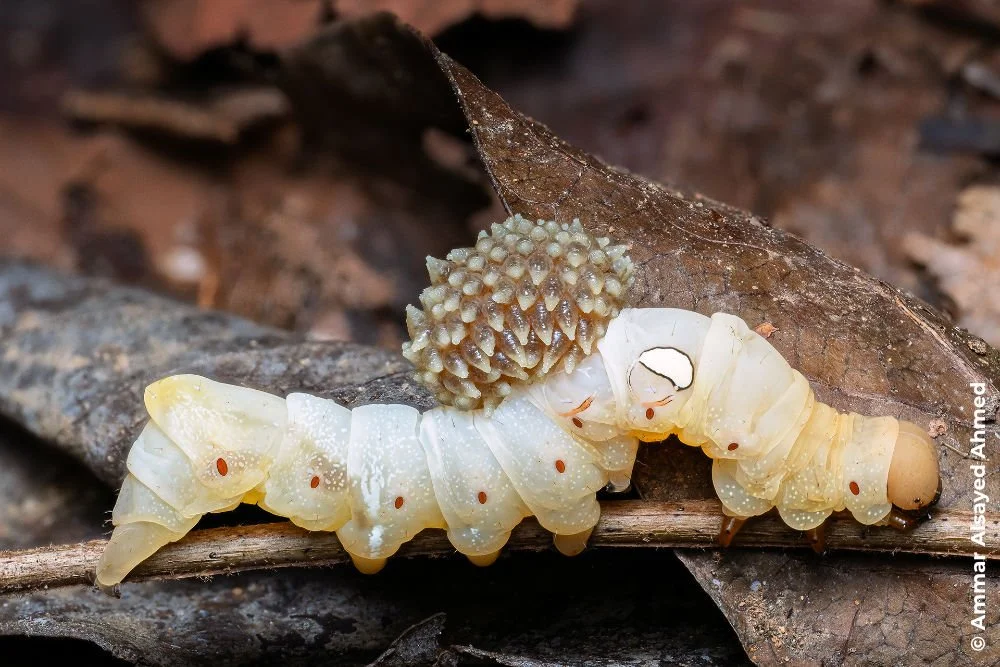
All life-stages of butterflies, moths, dragonflies and damselflies.
Arachnids
Spiders, scorpions, pseudoscorpions, harvestmen, sun or wind spiders, whip spiders, whip scorpions, palpigrades, ricinuleids, ticks and mites go into this category.
Photograph them creatively, in macro detail, demonstrating behaviour or how they fit in with their environment.
For a full list of arachnids please refer to britishspiders.org.uk/arachnids.
Underwater
This category explores the aquatic world. We’re looking for photographs of any flora, fauna or object in fresh or sea water. The subject should be fully submerged underwater, unless the image is taken as a split-level shot. Wide angle close-ups and macro are accepted.
Freshwater and marine.
Wider images that retain a sense of closeness to the main subject.
Plants
Plants in all their forms belong here, as does algae and seaweed. Beautiful blooms, plants in their habitat, moss, leaves, tree details and seeds are all possible subjects.
Enter creative abstracts, super-macro details, flowers in the habitat or images of scientific study captured out in the field.
Creative pictures made in the home or studio should go into the Studio Art category.
Fungi & Slime Moulds
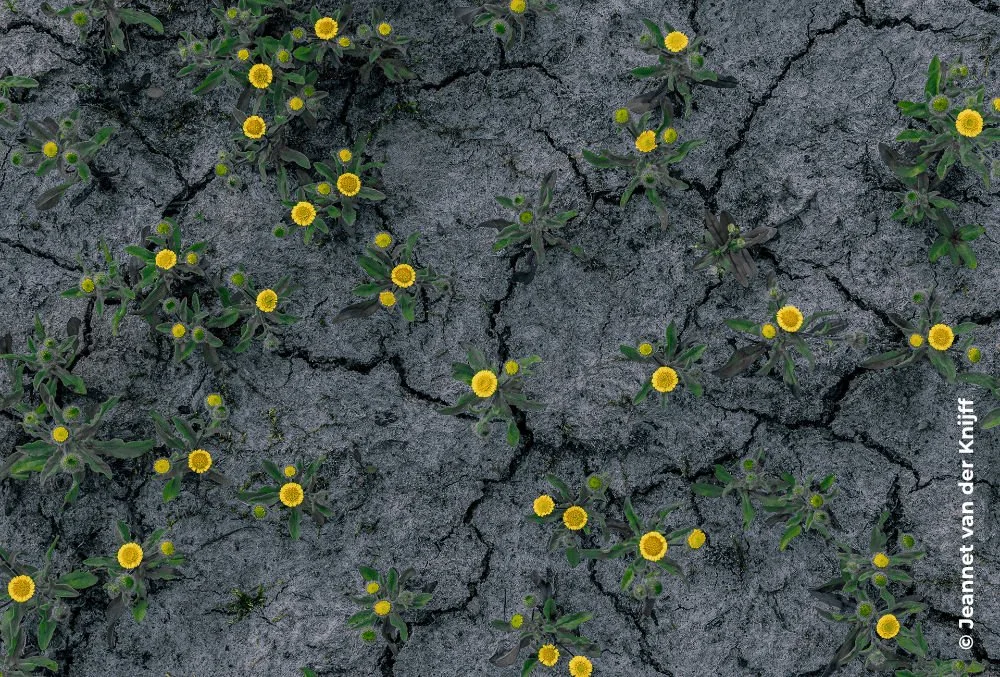
The category for mushrooms, toadstools, slime moulds and lichen.
They could be photographed in detail or captured up-close within their habitat. Enter creative abstracts or images of scientific study. There is no limit to how the subject is photographed.
Intimate Landscape
Capture the natural landscape or urban environment in close-up.
Photograph small scenes, tight crops, or overlooked details of the natural world. Suitable subjects include water, ice, stone, sand, minerals, fire, smoke, trees, light and reflections.
Pictures from the urban landscape, such as peeling paint, rusty surfaces, street furniture, boat hulls and graffiti are included this year.
This category welcomes the widest view in the contest, where small sections of the landscape can be entered as well as close details.
Small scenes and tight crops.
Urban details, including rust.
Abstract details.
Studio Art
This category is for photographs taken at home, in the studio or in the lab, or use creative post-processing to make composites or collages.
Images should have a strong pictorial quality.
Think photographic experiments, abstracts of light, botanical arrangements, still lives, flat-lays, liquid drop art, oil and water combinations, paper constructions, bubbles, abstract photomicrographs, chemical reactions, microscopic crystals, collages and composites, camera-less prints and images made with a scanner, to suggest a few possibilities.
Photographs can be on any subject so long as it is close-up, macro or a photomicrograph. Creative expression is encouraged.
Creative studio work.
Studio botanicals or added textures.
Images made with a microscope or objective.
Young CUPOTY
Young Close-up Photographer of the Year is open to photographers aged 17 or under on 12th July 2026. There are no restrictions on subject matter for this category, so feel free to send us any close-up, macro, extreme-macro and micro images that might catch the judges eyes.